שִׁילֹה
אֱמֶת
שָׁלוֹם
דָּבָר
תְּהוֹם
Genesis 49 · 10

SHILOH

"The sceptre shall not depart from Judah,
nor a lawgiver from between his feet,
until Shiloh come; and unto him shall
the gathering of the people be."

Genesis 49:10 · KJV
שִׁילֹה
Etymology
He whose it is.
The one to whom
all belongs.
שָׁלָה
Root
Tranquility.
A place of rest.
Sanctuary.
שָׁלוֹם
Resonance
Wholeness.
Completion.
The final peace.
On the name

Shiloh is among the most contested words in all of Scripture. The KJV translators rendered it untranslated — a name, not a concept — trusting the weight of the Hebrew to carry its meaning forward. That weight is Messianic.

שִׁילֹה

Matthew Henry wrote of this verse: "Shiloh signifies his Son, the man of rest, for he is our peace. To him shall the gathering of the people be — not of Israel only, but of the Gentiles."

Calvin saw in it a double prophecy — the end of the old order and the beginning of the eternal one. The sceptre departs from Judah precisely when the greater King arrives. The diminishing of the type signals the coming of the antitype.

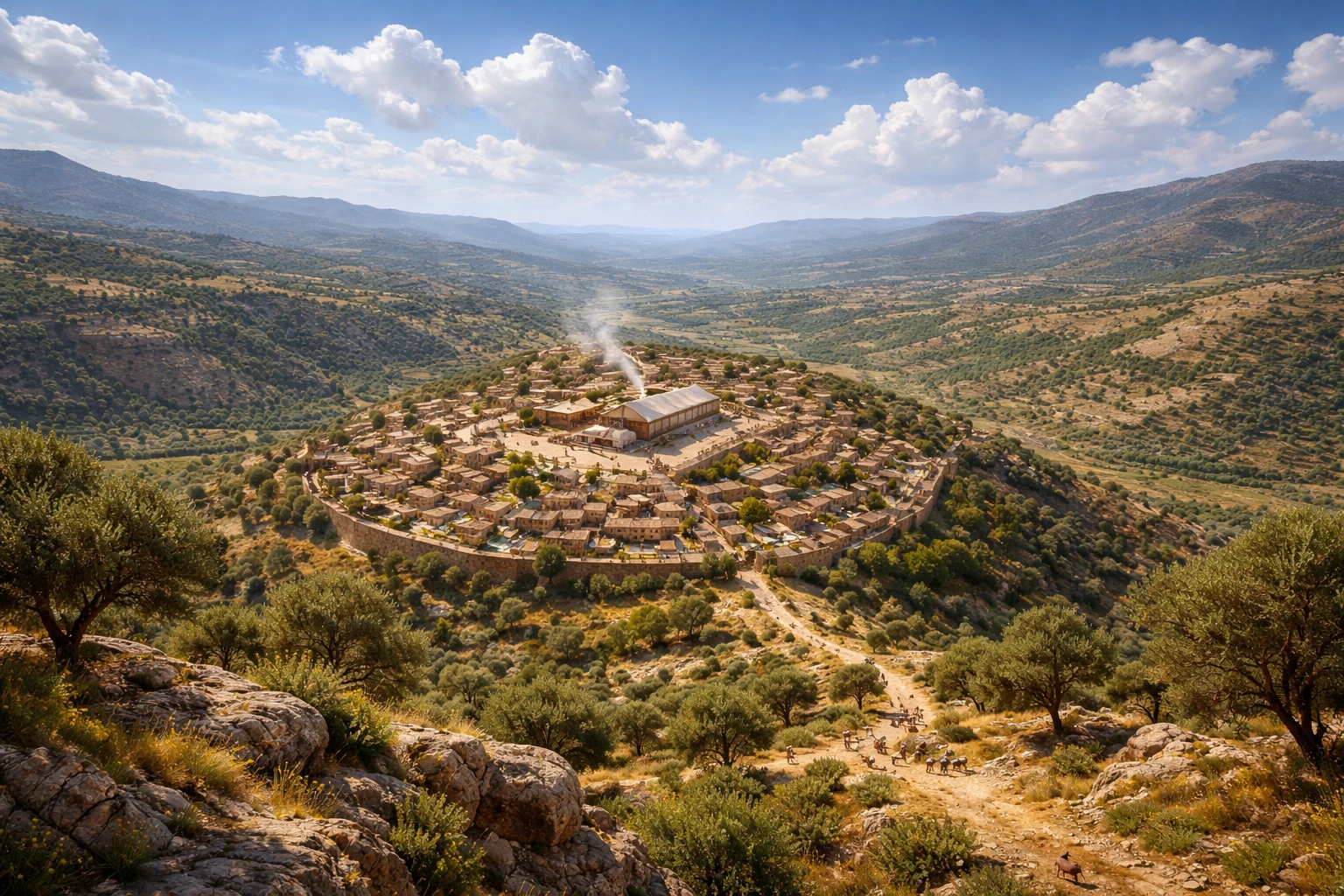
Shiloh was also a place — where the Tabernacle rested for three centuries. Where Hannah wept and prayed. Where Samuel first heard the voice. A place of rest before the throne was established. The name carries both — the person and the place of peace.